Refrigerated warehouses, also known as cold storage facilities, are specialised environments designed to store temperature-sensitive goods such as fresh produce, dairy, seafood, frozen foods, pharmaceuticals, and vaccines.
Unlike conventional warehouses, cold storage facilities operate within extremely tight temperature tolerances. Even a two-degree deviation can result in:
- Product spoilage
- Regulatory breaches
- Insurance claims
- Lost contracts
- Cold chain failure
Because of this, selecting the right equipment is not just operational — it is strategic.
In this guide, we’ll walk through the essential equipment used in a refrigerated warehouse, following the real operational flow of goods — from dock arrival to dispatch.
Equipments Used in a Refrigerated Warehouse
1. Industrial Refrigeration System (Primary Cooling Infrastructure)
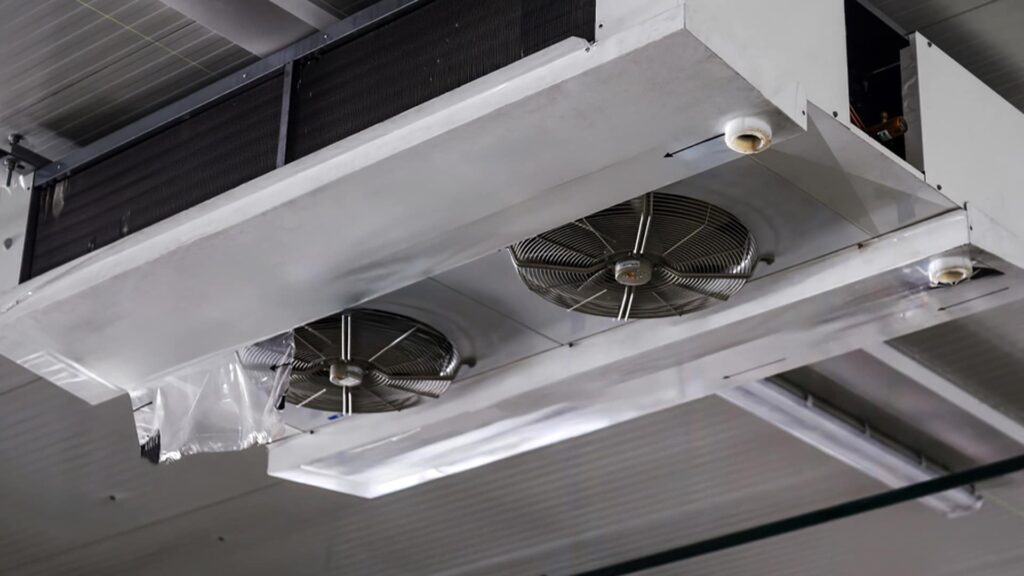
The refrigeration system is the backbone of a refrigerated warehouse. It does far more than simply cool air — it continuously removes heat generated from incoming goods, lighting, equipment operation, door openings, and external climate exposure.
In a cold storage facility, temperature stability must be maintained 24/7, often across multiple zones with different temperature requirements. The refrigeration system ensures consistent heat exchange, pressure control, humidity regulation, and airflow balance throughout the entire building envelope.
A properly engineered refrigeration plant determines:
- Energy efficiency levels
- Compressor workload distribution
- Temperature recovery speed after dock activity
- Long-term maintenance costs
- Cold chain reliability
Without a robust refrigeration infrastructure, no other equipment inside the warehouse can perform effectively.
2. Insulated Structure & Thermal Envelope
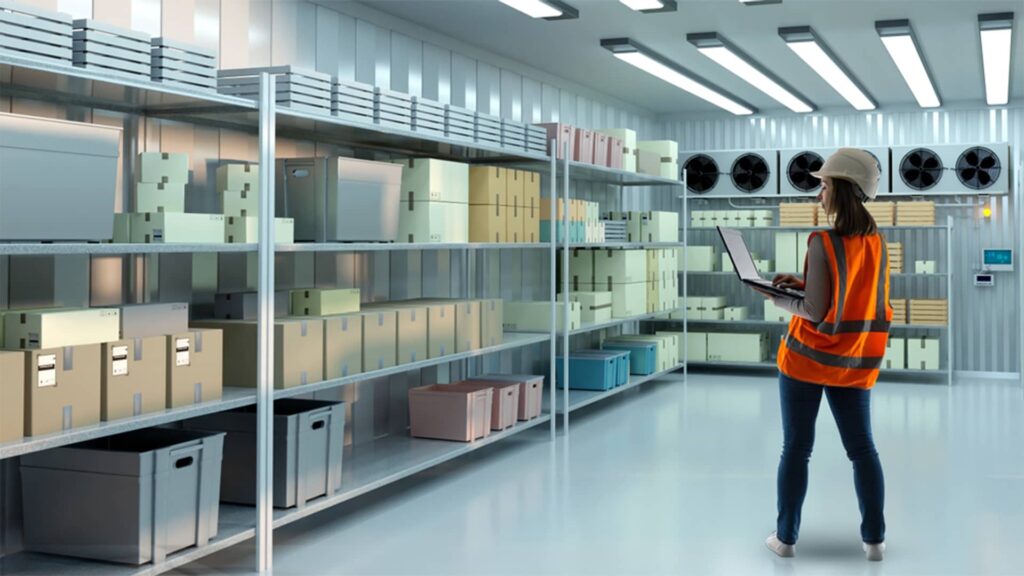
In refrigerated warehouses, insulation is not just a construction feature, it is a performance system. The building’s thermal envelope directly determines how much refrigeration capacity is required to maintain internal temperatures.
Every gap, thermal bridge, or poorly sealed joint increases heat infiltration, forcing compressors to work harder. Over time, this leads to higher electricity costs, ice formation, structural stress, and moisture damage.
High-performance insulation ensures:
- Stable internal temperatures
- Reduced refrigeration load
- Controlled humidity levels
- Prevention of condensation-related corrosion
- Long-term structural durability
In cold storage design, the building itself becomes part of the cooling system.
3. Dock Equipment & Temperature Transition Control
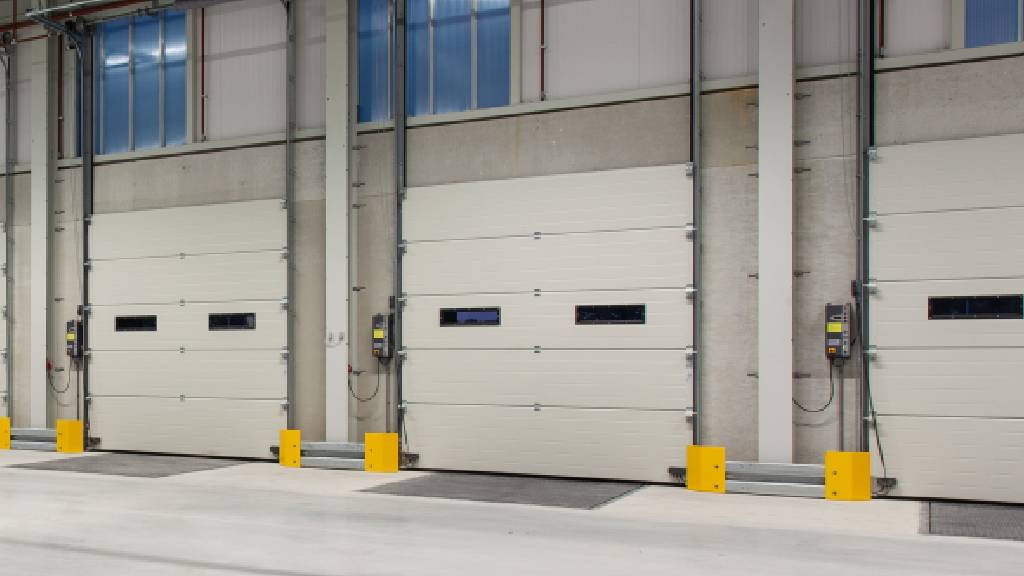
The loading dock is the most thermally unstable zone in any refrigerated warehouse. Each time a truck arrives and doors open, warm ambient air attempts to enter while cold internal air escapes.
Without proper dock management systems, these temperature exchanges cause sudden thermal spikes. This not only stresses refrigeration systems but also increases condensation, frost build-up, and floor icing — creating both operational and safety risks.
Dock equipment is designed to:
- Minimise air infiltration
- Accelerate loading and unloading
- Stabilise internal temperatures during transitions
- Protect the cold chain during goods transfer
In high-volume facilities, dock efficiency directly impacts energy consumption and temperature recovery speed.
4. Cold-Rated Material Handling Equipment
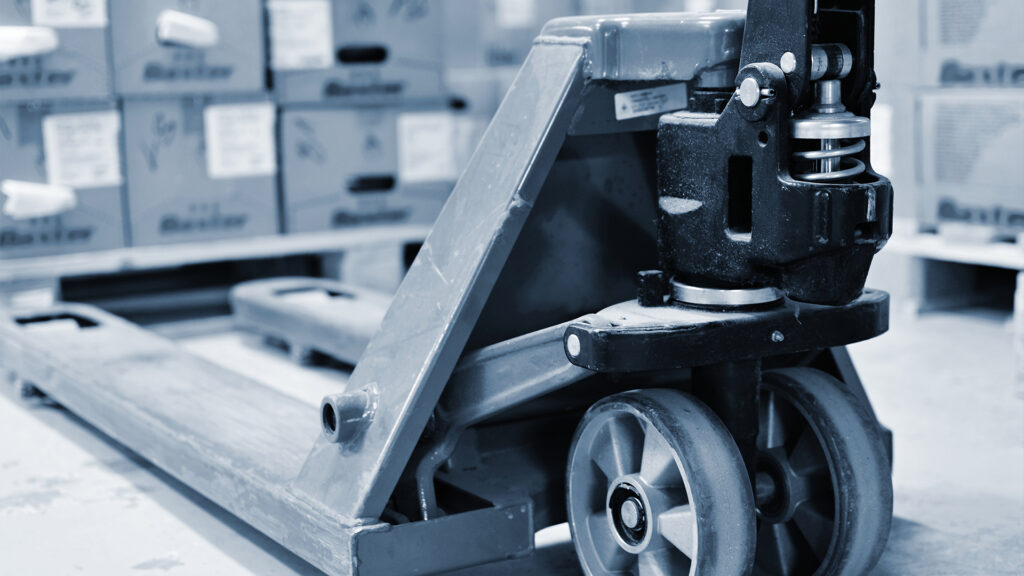
Material handling inside a refrigerated warehouse must be engineered for extreme environments. Sub-zero temperatures affect battery chemistry, hydraulic performance, electronic components, and operator comfort.
Standard warehouse forklifts are not designed for prolonged freezer exposure. In cold storage environments, specialised equipment ensures reliability, efficiency, and safety under continuous low-temperature conditions.
Cold-rated material handling equipment helps:
- Reduce mechanical breakdowns
- Maintain operational flow
- Minimise downtime
- Protect operators from cold stress
- Prevent condensation damage to electrical systems
Efficient goods movement reduces door-open time and limits temperature fluctuations across zones.
5. Racking Systems & Space Optimisation
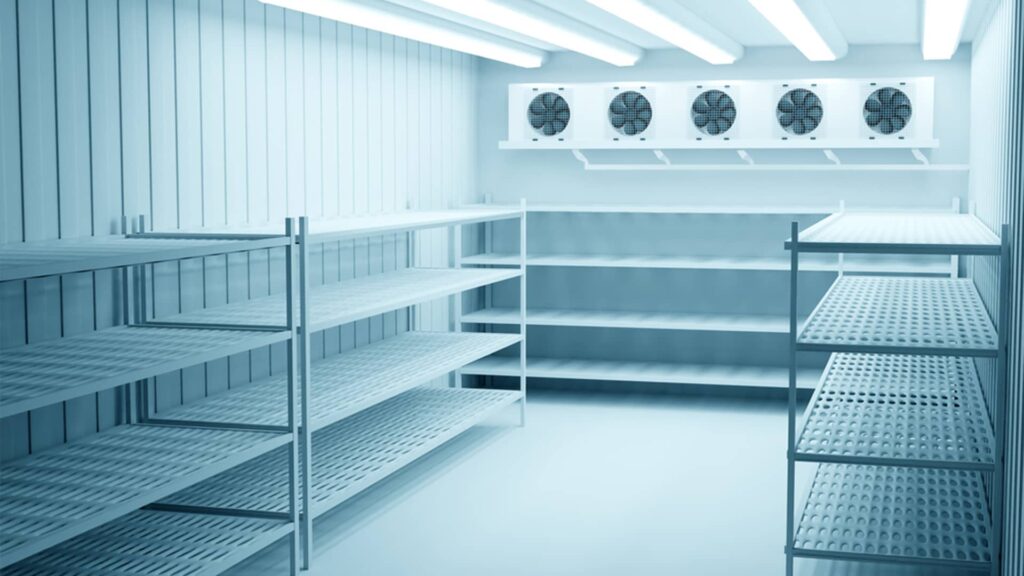
In refrigerated facilities, storage layout is not just about capacity, it directly affects energy performance. Every cubic metre of air inside the warehouse must be cooled continuously.
High-density racking systems reduce unused air space, optimise airflow distribution, and improve overall temperature consistency. Poor racking design can obstruct airflow, create hot spots, and increase compressor workload.
Strategic racking design ensures:
- Maximum storage density
- Efficient product rotation
- Improved air circulation
- Reduced travel distance for forklifts
- Lower long-term energy costs
In cold storage, space efficiency equals energy efficiency.
6. Automation & Conveyor Systems
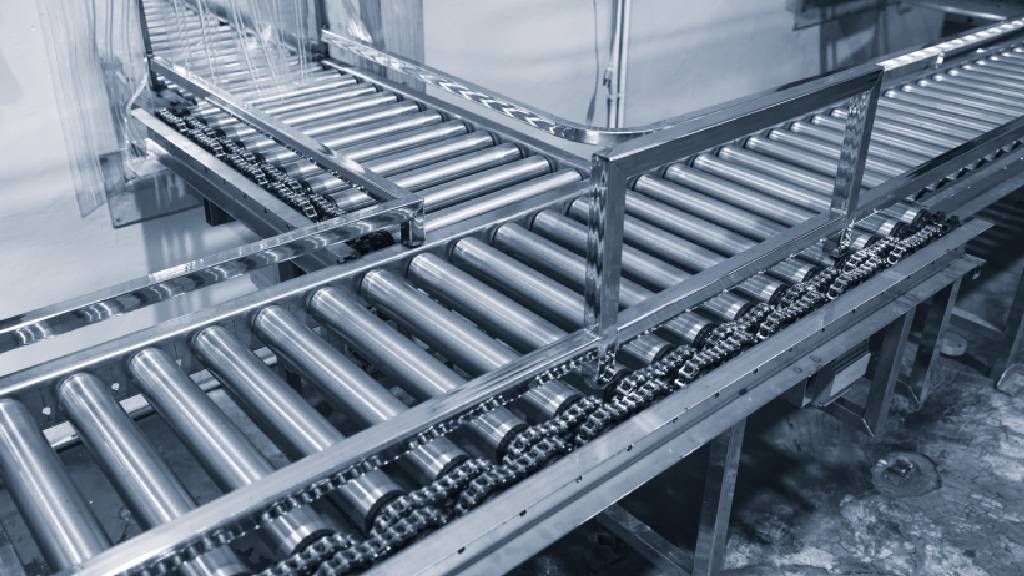
Automation in refrigerated warehouses is driven by both productivity and safety. Extended exposure to sub-zero environments reduces worker efficiency and increases fatigue-related risks.
Automated systems minimise manual handling while maintaining consistent throughput speeds. They also reduce the frequency and duration of door openings, which helps stabilise internal temperatures.
Automation contributes to:
- Higher picking accuracy
- Faster order fulfilment
- Lower labour dependency
- Reduced cold exposure for workers
- Improved operational consistency
In large-scale cold storage operations, automation often determines long-term scalability.
7. Monitoring & Digital Control Systems

Modern refrigerated warehouses operate as digitally monitored environments. Temperature management today relies on continuous data tracking rather than periodic manual checks.
Real-time monitoring systems detect even minor deviations before they escalate into product loss. These systems are essential in industries governed by strict compliance standards, including food safety and pharmaceutical distribution.
Monitoring infrastructure supports:
- Cold chain traceability
- Audit documentation
- Insurance validation
- Predictive maintenance
- Remote facility management
Without digital oversight, temperature precision cannot be reliably maintained.
8. Backup Power & Redundancy Planning
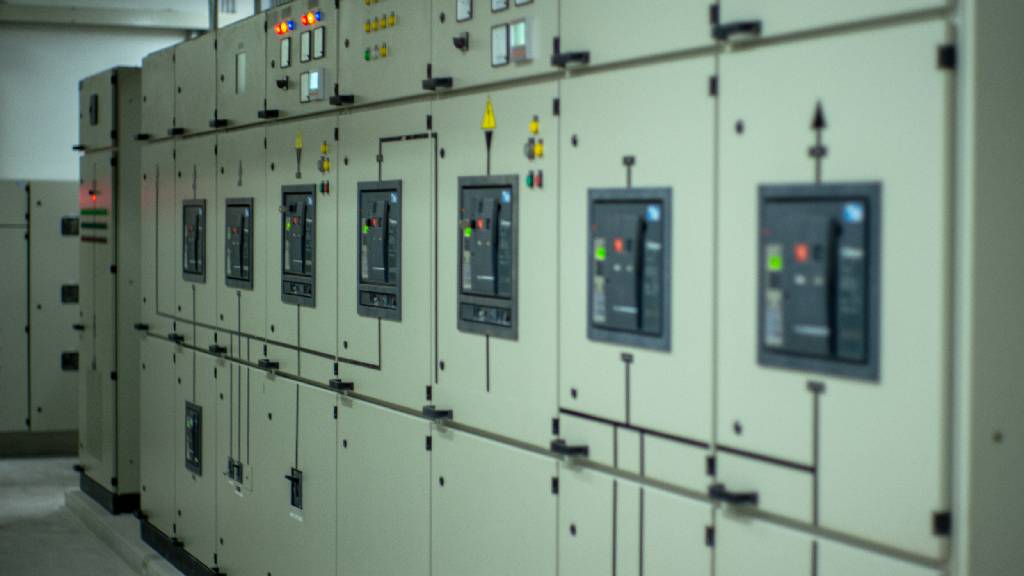
Refrigerated warehouses operate continuously, even brief power interruptions can lead to rapid temperature escalation. For facilities storing high-value or regulated products, downtime is not an option.
Backup systems ensure operational continuity during grid failures, equipment malfunction, or emergency shutdowns.
Redundancy planning helps:
- Prevent catastrophic inventory loss
- Maintain temperature stability during outages
- Protect contractual obligations
- Reduce business interruption risk
In cold storage operations, resilience planning is as critical as refrigeration capacity.
9. Safety & Cold Exposure Equipment

Cold storage environments introduce unique occupational hazards. Low temperatures affect muscle response, visibility, traction, and equipment durability.
Safety equipment in refrigerated warehouses is integrated into facility design to mitigate environmental risks and protect personnel working extended shifts in controlled climates.
Proper safety infrastructure ensures:
- Reduced slip-and-fall incidents
- Protection from cold stress
- Early detection of refrigerant leaks
- Safe navigation in low-visibility conditions
- Compliance with workplace safety regulations
In cold storage operations, worker safety directly influences operational reliability.
What Happens If You Choose the Wrong Equipment?
Operational consequences include:
- Ice build-up from poor dock insulation
- Forklift downtime from battery failures
- Rising energy bills from inefficient layout
- Product recalls due to temperature deviations
- Insurance disputes due to poor monitoring
The cost of correcting equipment mistakes post-installation is significantly higher than proper planning during design.
Why Equipment Strategy Determines Cold Chain Success?
Refrigerated warehouses demand far more precision than ambient storage facilities.
From insulated dock systems and industrial refrigeration units to high-density racking and real-time monitoring tools, every component plays a role in:
- Protecting temperature integrity
- Reducing energy consumption
- Supporting compliance standards
- Improving workflow efficiency
- Enhancing worker safety
- Securing long-term ROI
In cold storage operations, equipment decisions are infrastructure decisions.
Conclusion
Operating a refrigerated warehouse is not simply about keeping products cold. It requires a carefully engineered ecosystem of refrigeration systems, structural insulation, material handling equipment, monitoring technology, automation, and safety infrastructure.
Poor equipment choices increase operational costs and risk product loss. Strategic equipment planning strengthens cold chain reliability and ensures regulatory compliance.
If you are planning to build, upgrade, or optimise a refrigerated warehouse, partnering with experienced cold storage design and logistics specialists can make a measurable difference in performance and long-term cost control.