Cold chain logistics plays an important role in moving temperature-sensitive products safely from one location to another. Fresh produce, meat, dairy, frozen foods, pharmaceuticals and other perishable goods all depend on controlled temperatures throughout storage, handling and transportation.
However, maintaining an uninterrupted cold chain is not always straightforward.
The challenges in cold chain logistics can range from temperature fluctuations and transport delays to equipment failures, rising operating costs and regulatory requirements. Understanding these challenges can help businesses identify potential risks and put practical measures in place to protect product quality and reduce waste.
What Are the Main Challenges in Cold Chain Logistics?
The main challenges include maintaining consistent temperatures, managing delivery times, preventing equipment failures, controlling costs, monitoring shipments and meeting food safety requirements. These challenges can occur at almost any stage, from initial storage and loading through to final delivery.
Here are some of the most common challenges businesses need to consider.
1. Maintaining Consistent Temperature Control
Temperature control is one of the biggest challenges in cold chain logistics.
Temperature-sensitive products can deteriorate when exposed to conditions outside their required temperature range. Importantly, temperature issues do not only occur while goods are travelling. They can happen during loading, unloading, warehouse transfers, vehicle door openings or extended waiting periods.
For food businesses in Australia, potentially hazardous food generally needs to be kept at 5°C or colder during transport, while frozen food should remain frozen. Appropriate temperature monitoring and checking procedures are therefore an important part of maintaining food safety.
A reliable cold chain requires:
- – Appropriate temperature settings for each product
- – Pre-cooling where necessary
- – Proper loading and handling procedures
- – Minimised exposure to ambient temperatures
- – Regular temperature monitoring
- – Quick action when temperature deviations occur
Even relatively short periods outside the required range can affect product quality and shelf life.
2. Transport Delays and Unpredictable Conditions
Time is particularly important when transporting perishable goods.
Traffic congestion, road closures, vehicle breakdowns, loading delays and unexpected changes to delivery schedules can extend transit times. Longer journeys can increase the risk of temperature fluctuations and product deterioration.
Route planning is therefore an important part of cold chain management. Businesses need to consider delivery windows, road conditions, distance, vehicle capacity and potential delays before a shipment begins.
For interstate freight, effective planning becomes even more important because longer distances can expose shipments to more potential disruptions.
3. Refrigeration Equipment Failure
Refrigerated vehicles, cold rooms and other temperature-controlled equipment need to operate reliably throughout the supply chain.
A refrigeration failure can quickly become a major problem, particularly when goods are being transported over long distances or stored for extended periods. Mechanical faults, electrical problems, poor maintenance and ageing equipment can all contribute to unexpected failures.
Preventive maintenance can reduce these risks. Refrigeration systems should be inspected and serviced regularly, while businesses should also have contingency procedures for dealing with equipment breakdowns.
Temperature monitoring technology can provide another layer of protection by helping identify unusual temperature changes before they result in significant product loss.
4. Rising Energy and Operating Costs
Cold chain logistics generally has higher operating costs than conventional freight because refrigeration requires additional energy, equipment and maintenance.
Fuel prices, electricity costs, refrigeration servicing, labour and vehicle maintenance can all affect the overall cost of temperature-controlled logistics.
Inefficient logistics planning can increase these costs further. For example, unnecessary storage, partially loaded vehicles, inefficient routes and repeated handling can result in higher expenses.
Businesses can improve efficiency by planning delivery routes carefully, consolidating suitable shipments, optimising storage requirements and selecting the appropriate transport solution for each load.
5. Limited Supply Chain Visibility
Knowing where a shipment is and what conditions it is experiencing can be difficult when multiple businesses and transport stages are involved.
A typical cold chain may include suppliers, warehouses, transport operators, distribution centres and customers. Without effective communication and monitoring, it can be difficult to identify where a delay or temperature problem has occurred.
Digital tracking and temperature monitoring can improve visibility across the supply chain. These technologies can provide useful information about shipment locations, delivery progress and temperature conditions.
Better visibility also allows businesses to respond more quickly when something goes wrong.
6. Food Safety and Regulatory Compliance
Cold chain logistics is closely connected with food safety.
Businesses handling temperature-sensitive food need to understand the relevant requirements for storing, handling and transporting products. Maintaining appropriate temperatures is only one part of the process; businesses also need suitable procedures for checking, recording and managing food safety risks.
In Australia, food transport requirements are supported by the Food Standards Code and guidance from Food Standards Australia New Zealand (FSANZ).
Heavy vehicle transport also involves additional responsibilities. Under Australia’s Heavy Vehicle National Law, Chain of Responsibility requirements mean that responsibility for heavy vehicle safety can extend beyond the driver to other parties involved in the transport chain.
Understanding these obligations helps businesses develop safer and more compliant logistics processes.
7. Loading, Unloading and Handling Risks
The cold chain can be compromised even when a refrigerated vehicle is operating correctly.
Loading docks and delivery points can expose products to warmer conditions, particularly when doors remain open for extended periods. Poor loading practices can also restrict airflow inside a refrigerated vehicle, making it harder to maintain consistent temperatures.
Effective handling procedures should minimise unnecessary exposure and ensure products are loaded in a way that supports appropriate air circulation.
Coordination between warehouse teams, drivers and receiving staff is particularly important when working with time-sensitive freight.
How Can Cold Chain Logistics Challenges Be Reduced?
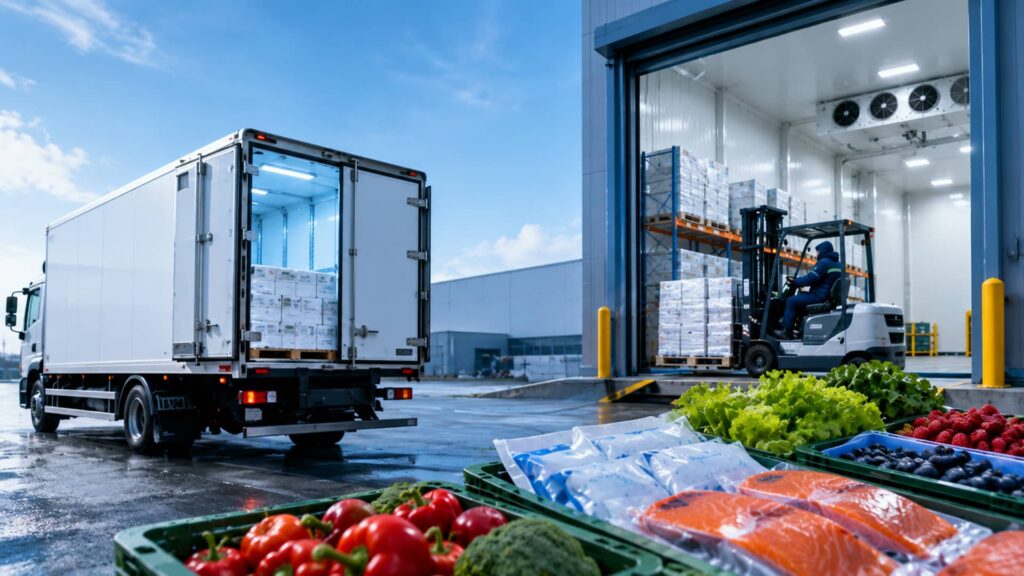
While cold chain risks cannot always be eliminated, businesses can take practical steps to reduce them.
Key measures include:
- Use appropriate refrigerated transport for the product, load size and journey.
- Maintain refrigeration equipment through regular inspections and servicing.
- Monitor temperatures consistently throughout storage and transport.
- Plan routes and delivery schedules to minimise avoidable delays.
- Improve communication between suppliers, warehouses, transport operators and customers.
- Use suitable cold storage when products need to be held before or after transport.
- Maintain clear procedures for responding to temperature deviations and equipment failures.
- Review logistics performance regularly to identify recurring delays, waste or inefficiencies.
Using dedicated refrigerated transport can help maintain controlled conditions during the transportation stage, while cold storage can support temperature-sensitive goods when they need to be stored before distribution.
Frequently Asked Questions
What are the biggest challenges in cold chain logistics?
The biggest challenges include maintaining consistent temperatures, preventing refrigeration failures, managing transport delays, controlling operating costs, monitoring shipments and meeting food safety and regulatory requirements.
Why is temperature control important in cold chain logistics?
Temperature control helps protect the safety, quality and shelf life of temperature-sensitive products. Temperature fluctuations can contribute to spoilage, deterioration and product loss.
How can businesses prevent cold chain failures?
Regular equipment maintenance, temperature monitoring, effective route planning, suitable storage, proper handling procedures and clear contingency plans can help reduce the risk of cold chain failures.
What happens if the cold chain is broken?
A broken cold chain can expose products to unsuitable temperatures, potentially affecting their quality, safety and shelf life. The consequences depend on the type of product, the temperature reached and how long it was exposed.
Building a More Reliable Cold Chain
The challenges in cold chain logistics extend well beyond keeping goods refrigerated during transport. Temperature, time, equipment, storage, handling, monitoring and communication all need to work together to maintain an effective cold chain.
For Australian businesses handling fresh, chilled or frozen products, choosing the right logistics processes and experienced transport and storage partners can help minimise these risks.
Iannelli Bros provides refrigerated transport and temperature-controlled logistics solutions designed to support businesses moving temperature-sensitive freight across Australia.